Category: Power Wheelchair
Posted by 2025-12-24 11:12
hoyer lift for sale by owner
https://www.irtme.com/products/electric-patient-lift-transfer-chairProceed with Caution: Is a Hoyer Lift Sold by an Individual Worth Buying?
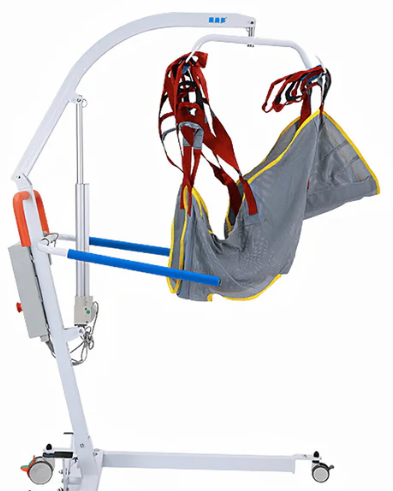
When a family urgently needs a Hoyer Lift but the price of a brand-new unit is too high, many people turn to the local second-hand market, searching for terms like "used Hoyer Lift for personal transfer," "private sale of home care hoist," or "Hoyer lift for sale by owner." Such listings are commonly found on platforms like Xianyu, 58.com, residential community WeChat groups, Facebook Marketplace, or Craigslist. The prices are often as low as one-third of a new device—even lower in some cases—making them seemingly highly attractive. However, purchasing medically assistive equipment from individual sellers hides safety and legal risks that cannot be ignored.
This article aims to help you make a rational judgment: Under what circumstances can you consider a second-hand device? And how can you minimize risks as much as possible?
I. Why Do People Sell Their Hoyer Lifts?
There are usually several scenarios:
Idle after short-term use: For example, a family member has completed post-surgery rehabilitation and no longer needs the device;
Upgrading to a newer model: Replacing a manual lift with an electric one and selling the old unit;
Passing of the care recipient: Family members clear out the deceased’s belongings and sell the device at a low price;
Moving or space constraints: No longer able to store the large equipment.
These reasons themselves are not problematic, but the device’s usage history, maintenance status, and hygiene safety often lack transparent records.
II. Major Risks of Buying a Second-Hand Hoyer Lift from an Individual
1. Safety Hazards: Invisible "Internal Damage"
A Hoyer Lift is a load-bearing medical device. Critical components such as its hydraulic system, motor, boom structure, and limit switches—if aged or damaged—may suddenly fail during use, causing the user to fall. However, ordinary buyers can hardly judge the extent of internal wear from the device’s appearance alone.
2. Hygiene Issues with Slings
Slings come into direct contact with the skin. If the previous user had an infectious disease, skin infection, or was bedridden for a long time, even surface cleaning may leave behind bacteria, fungi, or odors. Medical-grade slings are not recommended for shared use among multiple people, and most cannot be disinfected at high temperatures.
3. No After-Sales Service or Warranty
Individual sellers usually adopt a "no returns after sale" policy. Once the device is delivered but cannot be used, Proceed with Caution: Is a Hoyer Lift Sold by an Individual Worth Buying?
When a family urgently needs a Hoyer Lift but the price of a brand-new unit is too high, many people turn to the local second-hand market, searching for terms like "used Hoyer Lift for personal transfer," "private sale of home care hoist," or "Hoyer lift for sale by owner." Such listings are commonly found on platforms like Xianyu, 58.com, residential community WeChat groups, Facebook Marketplace, or Craigslist. hoyer lift for sale by owner The prices are often as low as one-third of a new device—even lower in some cases—making them seemingly highly attractive. However, purchasing medically assistive equipment from individual sellers hides safety and legal risks that cannot be ignored.
This article aims to help you make a rational judgment: Under what circumstances can you consider a second-hand device? And how can you minimize risks as much as possible?
I. Why Do People Sell Their Hoyer Lifts?
There are usually several scenarios:
Idle after short-term use: For example, a family member has completed post-surgery rehabilitation and no longer needs the device;
Upgrading to a newer model: Replacing a manual lift with an electric one and selling the old unit;
Passing of the care recipient: Family members clear out the deceased’s belongings and sell the device at a low price;
Moving or space constraints: No longer able to store the large equipment.
These reasons themselves are not problematic, but the device’s usage history, maintenance status, and hygiene safety often lack transparent records.
II. Major Risks of Buying a Second-Hand Hoyer Lift from an Individual
1. Safety Hazards: Invisible "Internal Damage"
A Hoyer Lift is a load-bearing medical device. Critical components such as its hydraulic system, motor, boom structure, and limit switches—if aged or damaged—may suddenly fail during use, causing the user to fall. However, ordinary buyers can hardly judge the extent of internal wear from the device’s appearance alone.
2. Hygiene Issues with Slings
Slings come into direct contact with the skin. If the previous user had an infectious disease, skin infection, or was bedridden for a long time, even surface cleaning may leave behind bacteria, fungi, or odors. Medical-grade slings are not recommended for shared use among multiple people, and most cannot be disinfected at high temperatures.
3. No After-Sales Service or Warranty
Individual sellers usually adopt a "no returns after sale" policy. Once the device is delivered but cannot be used, has missing accessories (e.g., remote control, charger), or is mismatched in model, it will be difficult to claim rights.
4. Outdated Models or Hard-to-Find Accessories
Some older lift models have been discontinued, with unique sling interfaces. Replacement accessories are hard to find on the market, leading to higher maintenance costs in the long run.
5. Legal and Compliance Risks
In China and many other countries, reselling medical devices for commercial use requires corresponding qualifications. Although transfers between families are generally not illegal, if the device causes injury, liability determination becomes complicated, and insurance companies may also reject claims.
III. If You Still Consider Buying, Be Sure to Do the Following
If budget constraints lead you to attempt a second-hand purchase, strictly follow these steps:
✅ 1. Prioritize "Almost New" or "Only Tested" DevicesAsk about the specific number of times the device has been used, its storage environment (whether it was damp), and whether it has a repair history. Ideally, the seller should provide the original purchase receipt and instruction manual.
✅ 2. Request an On-Site Operation DemonstrationPersonally observe whether the lifting is smooth, if there are any abnormal noises, how long the battery lasts, and whether the sling is intact and free from mold. Never make a payment based solely on photos.
✅ 3. Reject Remote Transactions Where You Cannot Test the DeviceBe especially wary of phrases like "freight collect on delivery" or "deposit required first." hoyer lift for sale by owner Insist on in-person transactions in the same city and only pay after inspecting the device.
✅ 4. Replace the Sling with a New One YourselfNo matter how clean the original sling looks, it is strongly recommended to purchase a brand-new medical-grade sling separately (costing approximately 200–600 RMB). This is the minimum cost investment to ensure hygiene and safety.
✅ 5. Verify the Device Model and Weight Capacity ParametersConfirm that its maximum weight capacity can accommodate the user’s weight, and check whether the base size is compatible with your home’s bed and door width.
IV. Safer Alternative Options
Instead of taking risks to buy second-hand devices with unknown origins, consider these more reliable alternatives: